
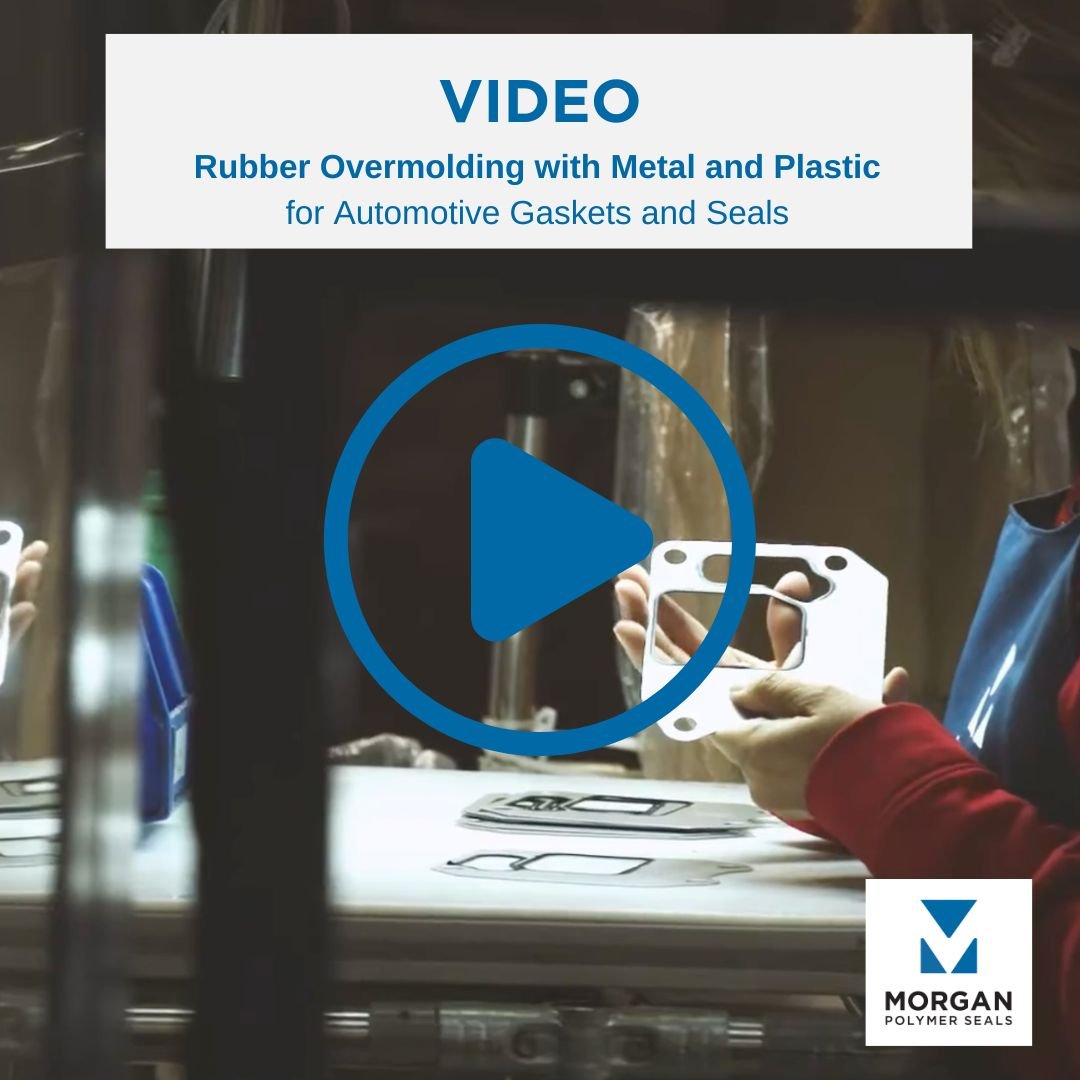
Video: Rubber Overmolding with Metal and Plastic
Rubber and Plastic Overmolding: Building Complex Sealing Components
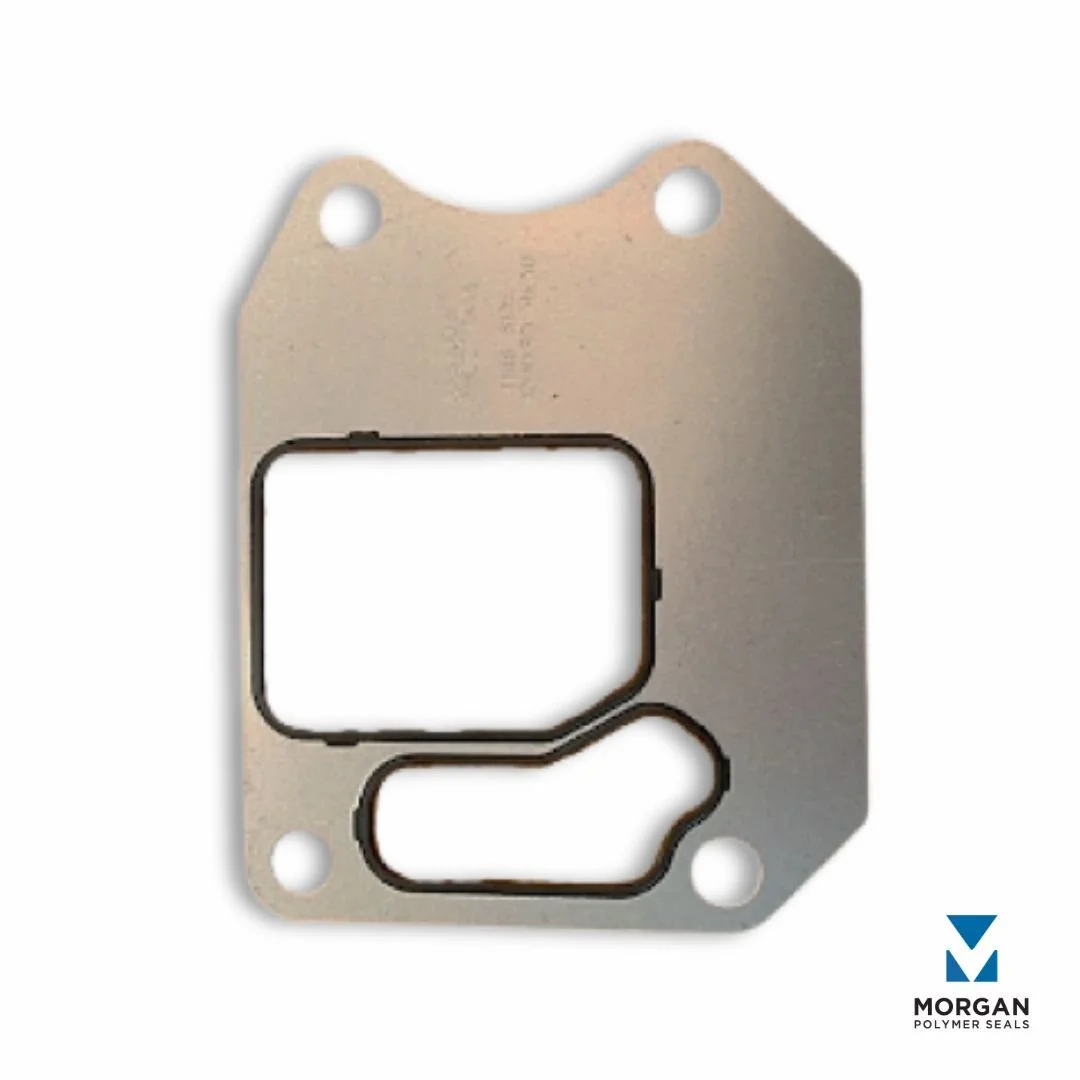
Some sealing applications require more than a simple molded rubber gasket. When a component needs the sealing properties of rubber combined with the strength and stability of a rigid substrate, overmolding can provide an effective solution.
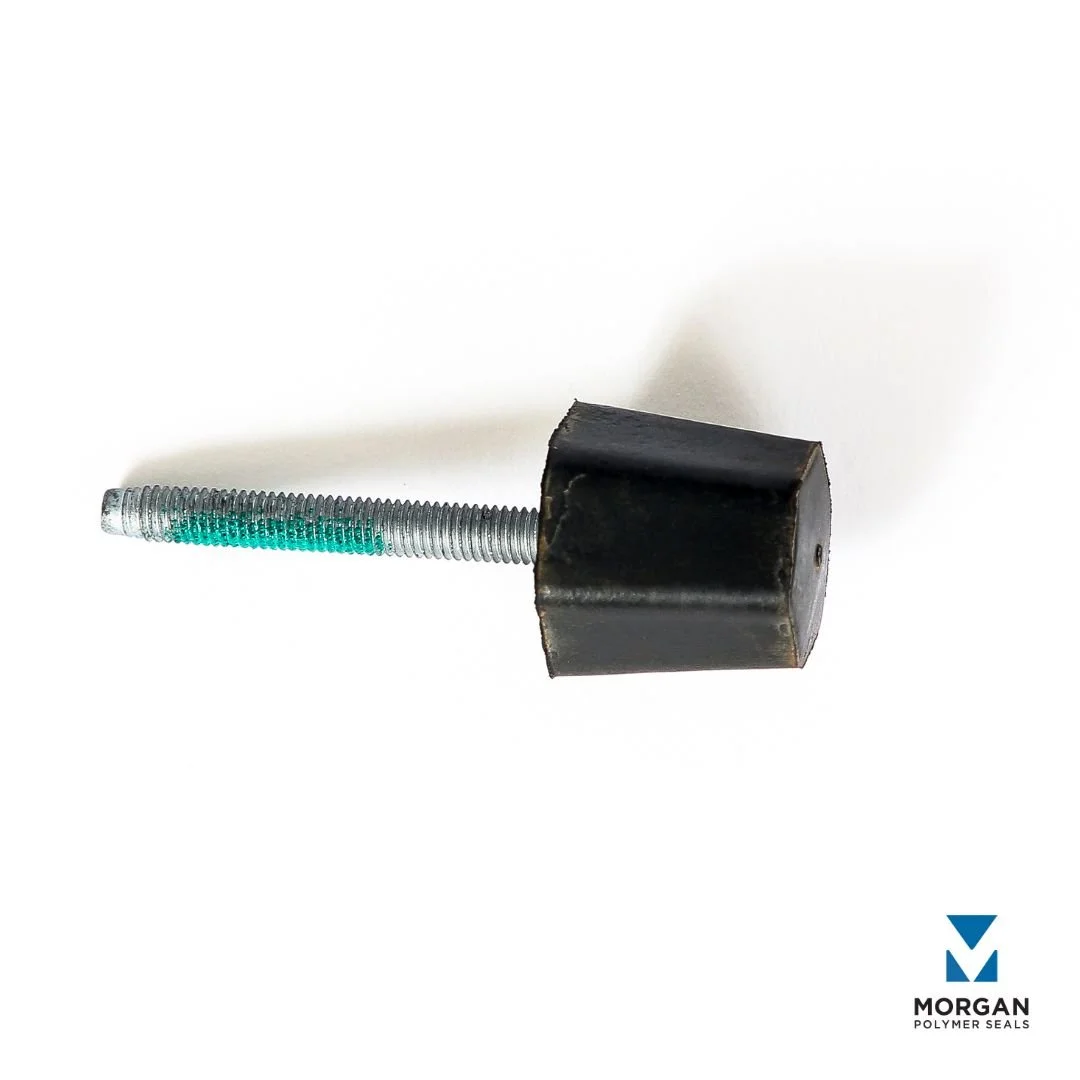
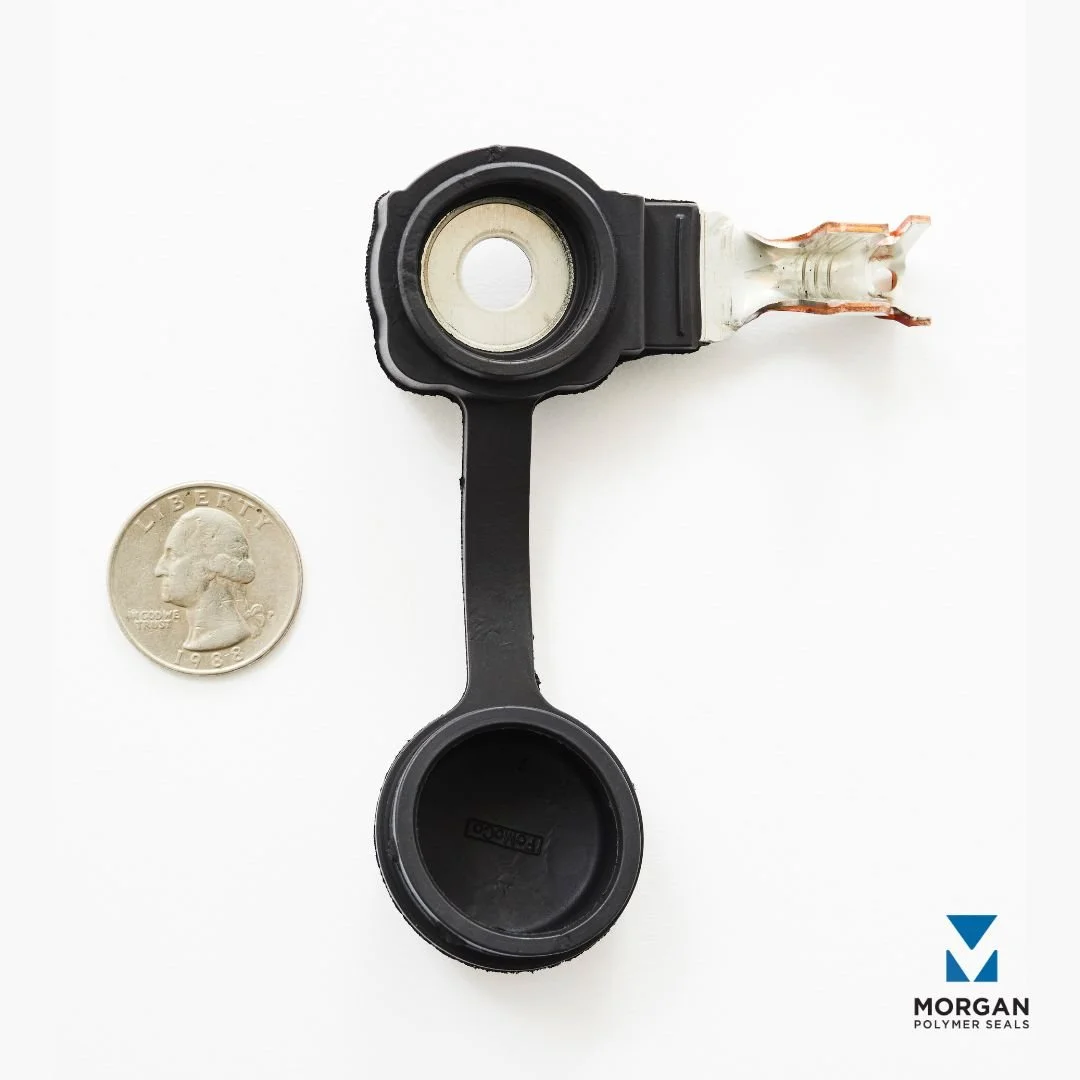
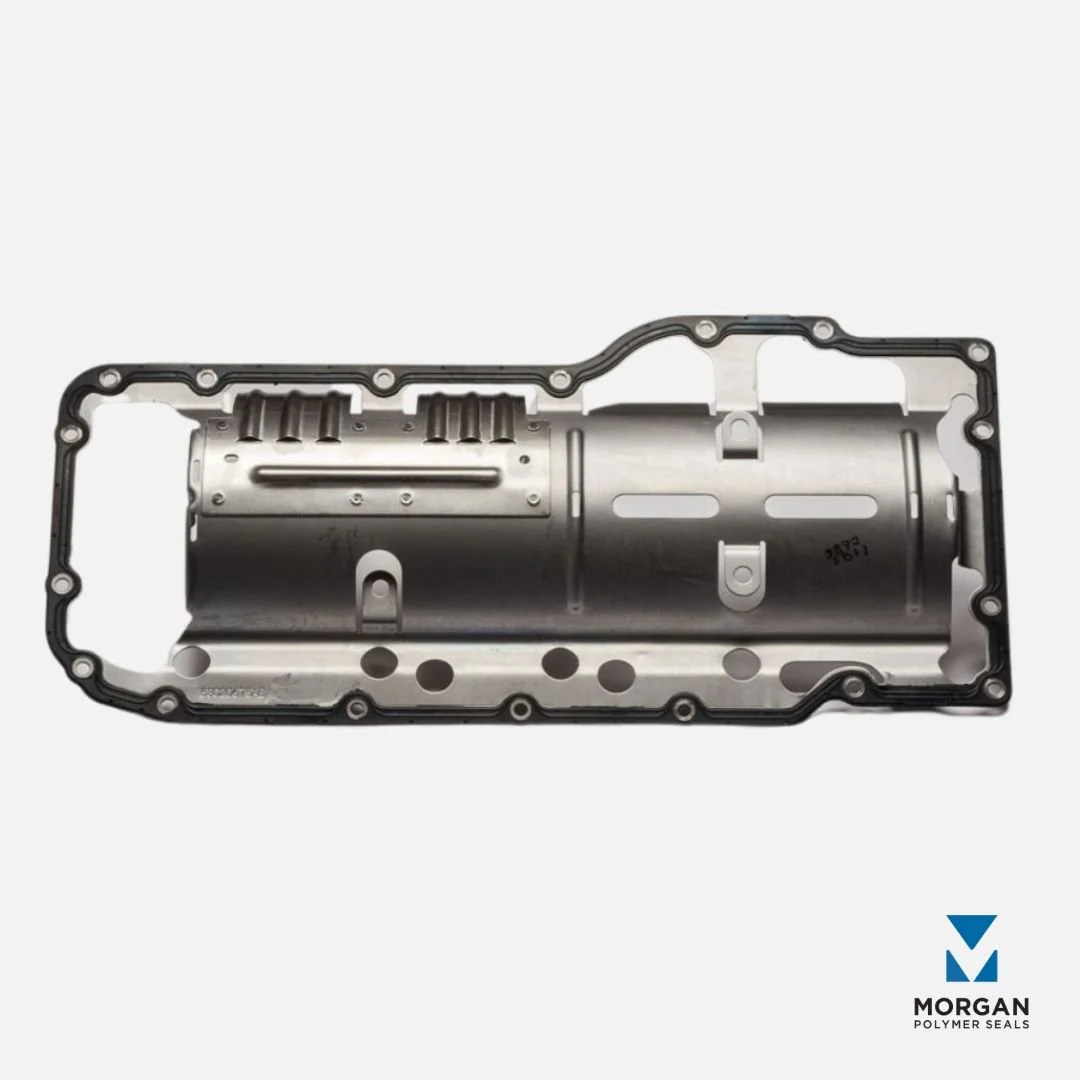
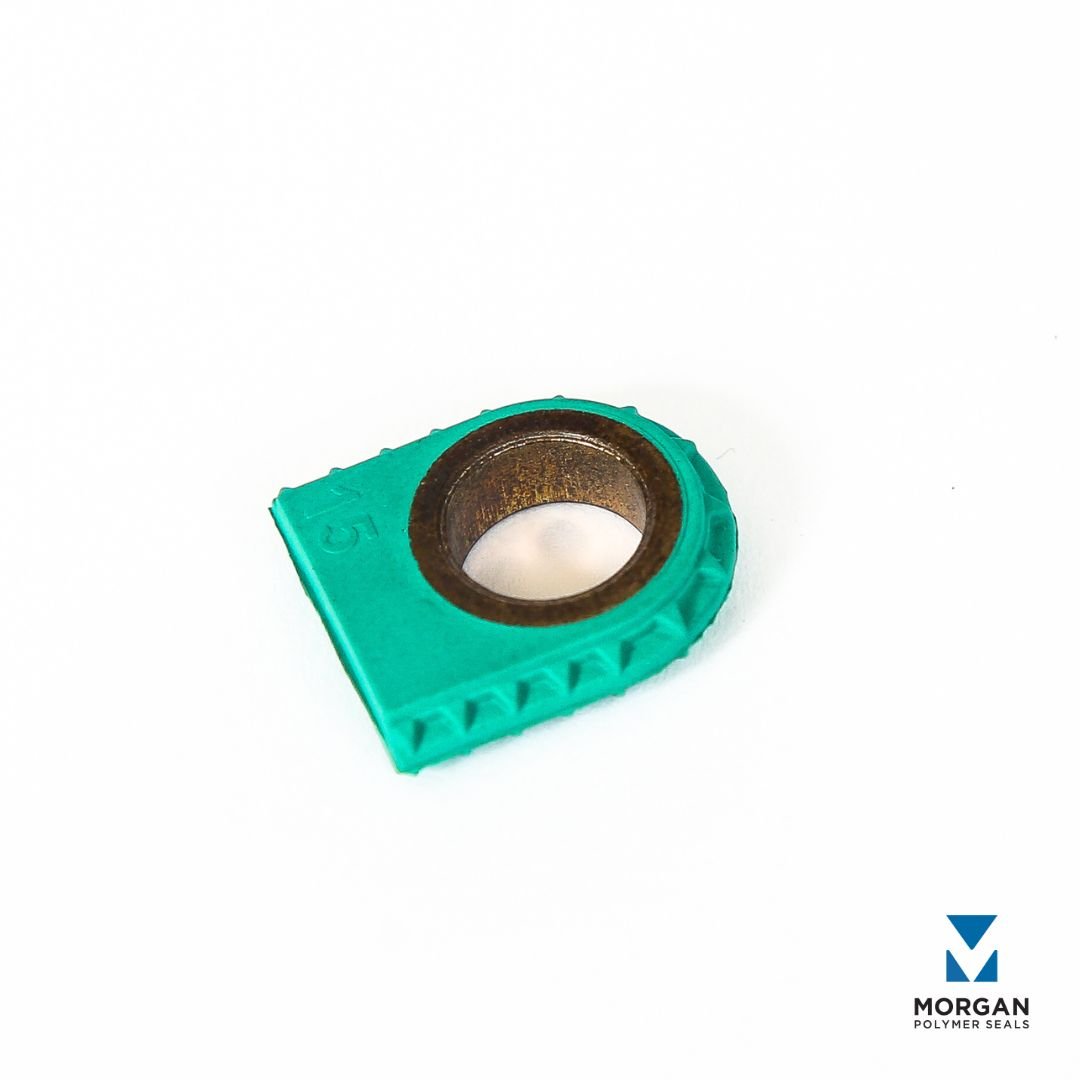
Overmolding is a manufacturing process that combines multiple materials into a single finished component. At Morgan Polymer Seals, this often involves molding rubber or plastic directly onto a metal or plastic carrier, insert, bushing, or other rigid component.

How Does Overmolding Work?
The process typically begins by loading a rigid component into a mold. Rubber or plastic is then molded around that component, creating an integrated part. Depending on the application, rubber may be bonded to the carrier mechanically, chemically with an adhesive, or through a combination of both methods.
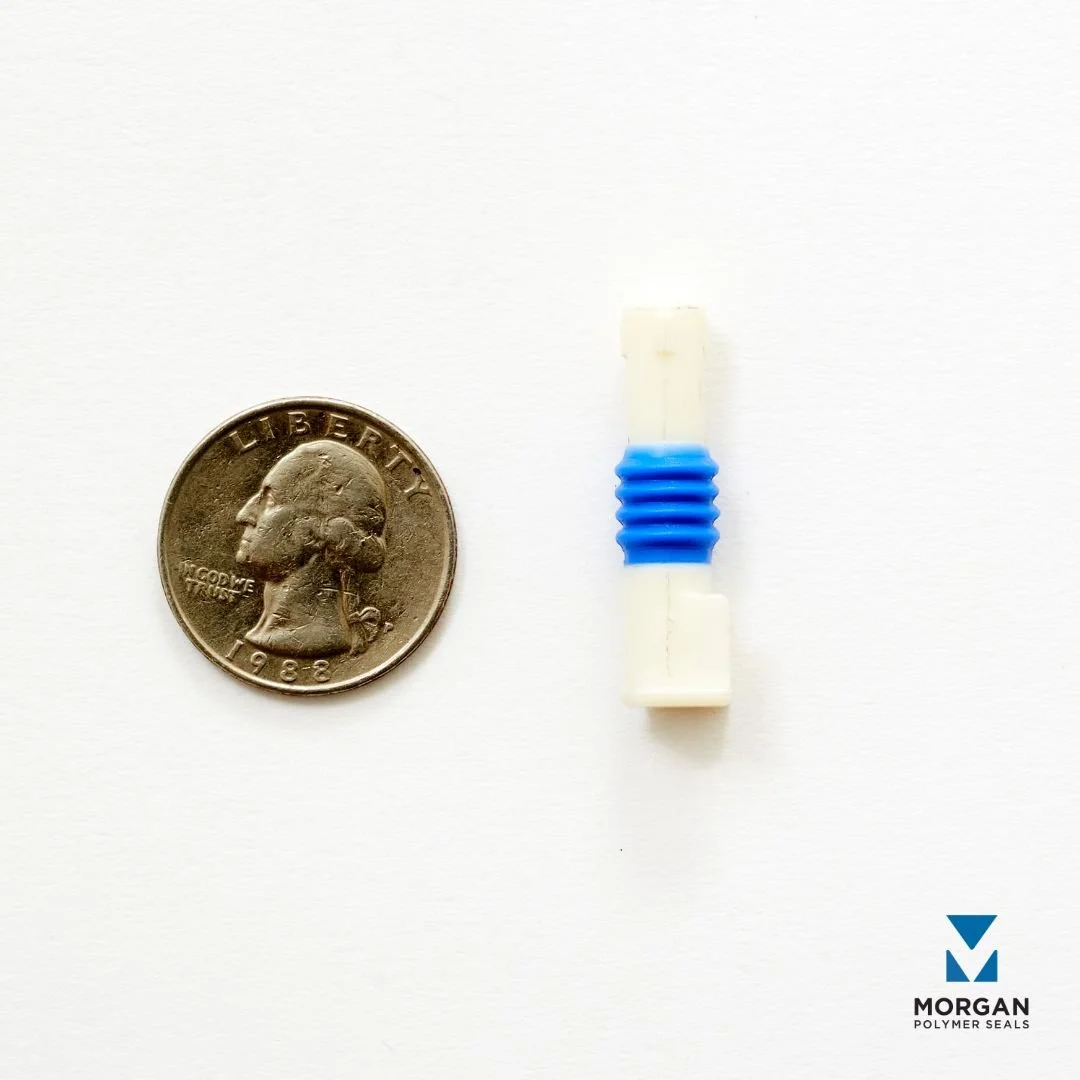
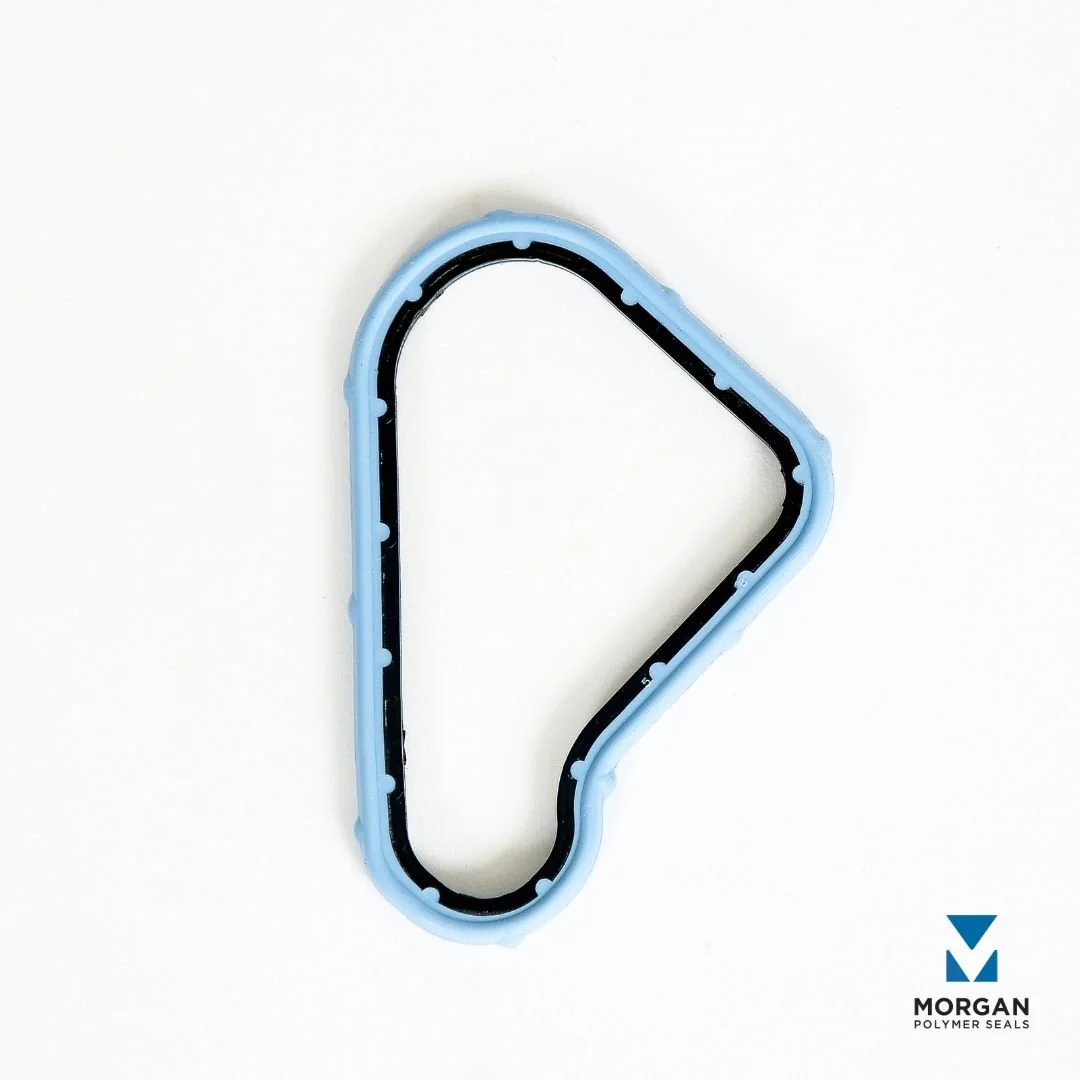
More complex products can require multiple overmolding operations. For example, a metal component may first be overmolded with plastic to create a rigid carrier, followed by a second operation in which rubber is molded onto the carrier to create the sealing surface.
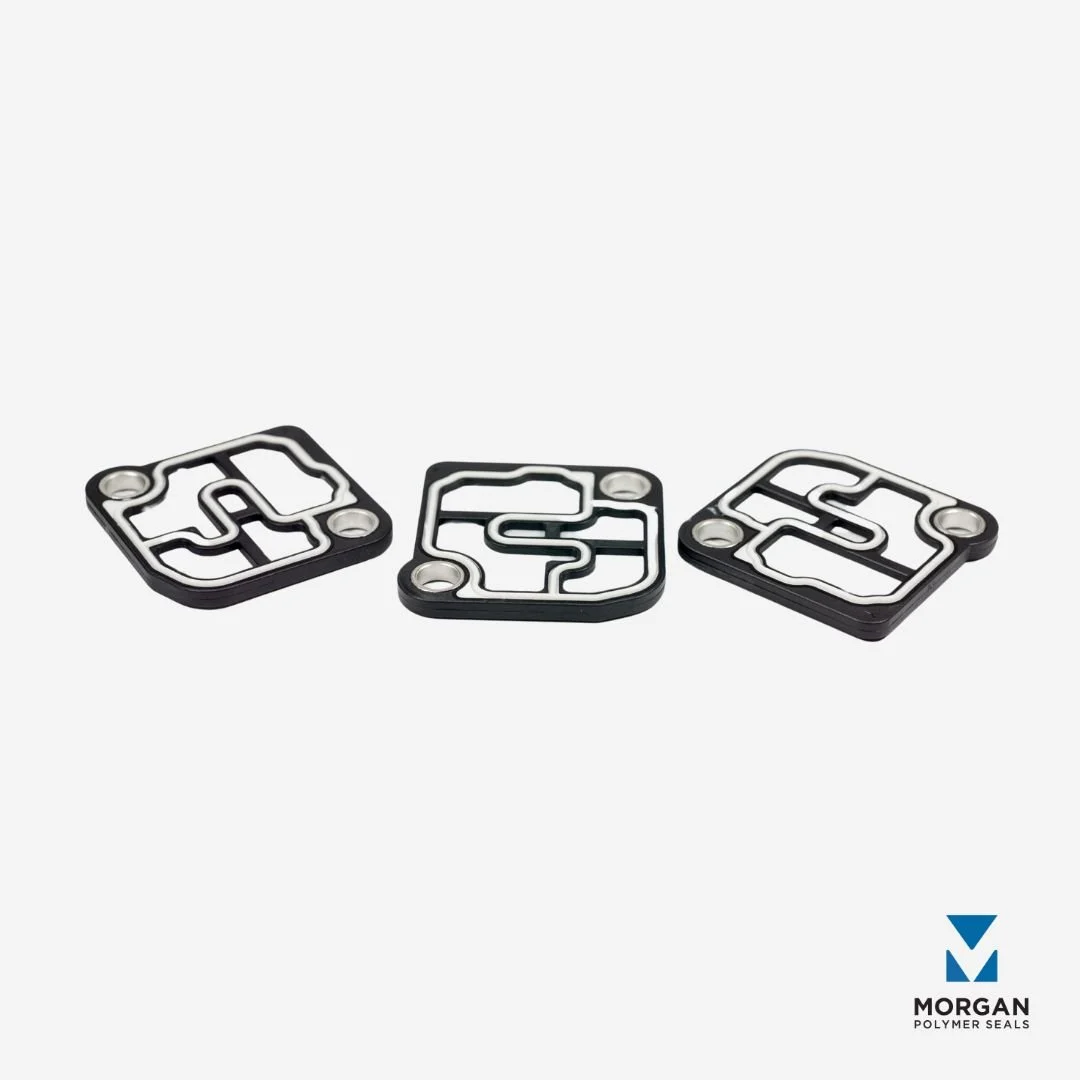
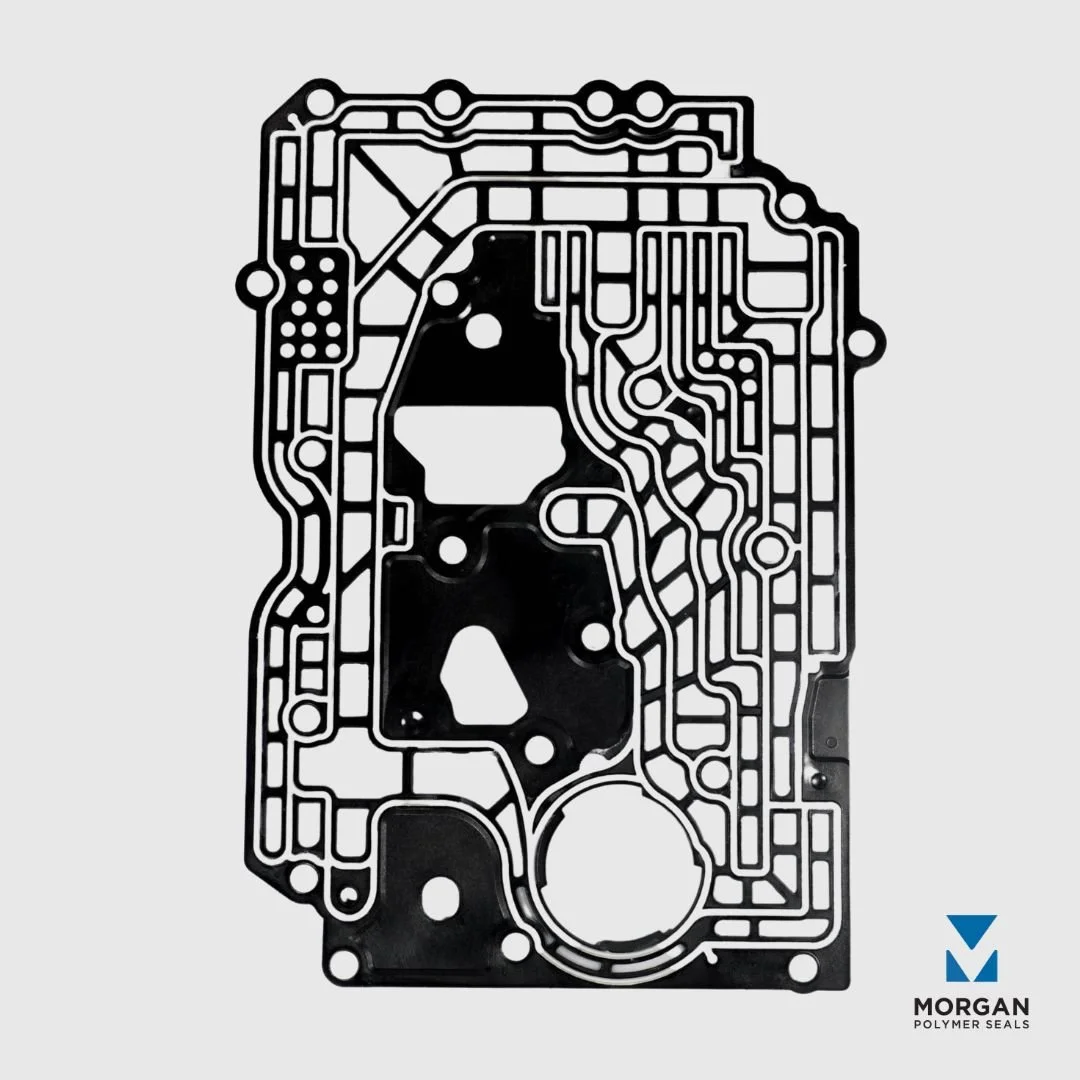
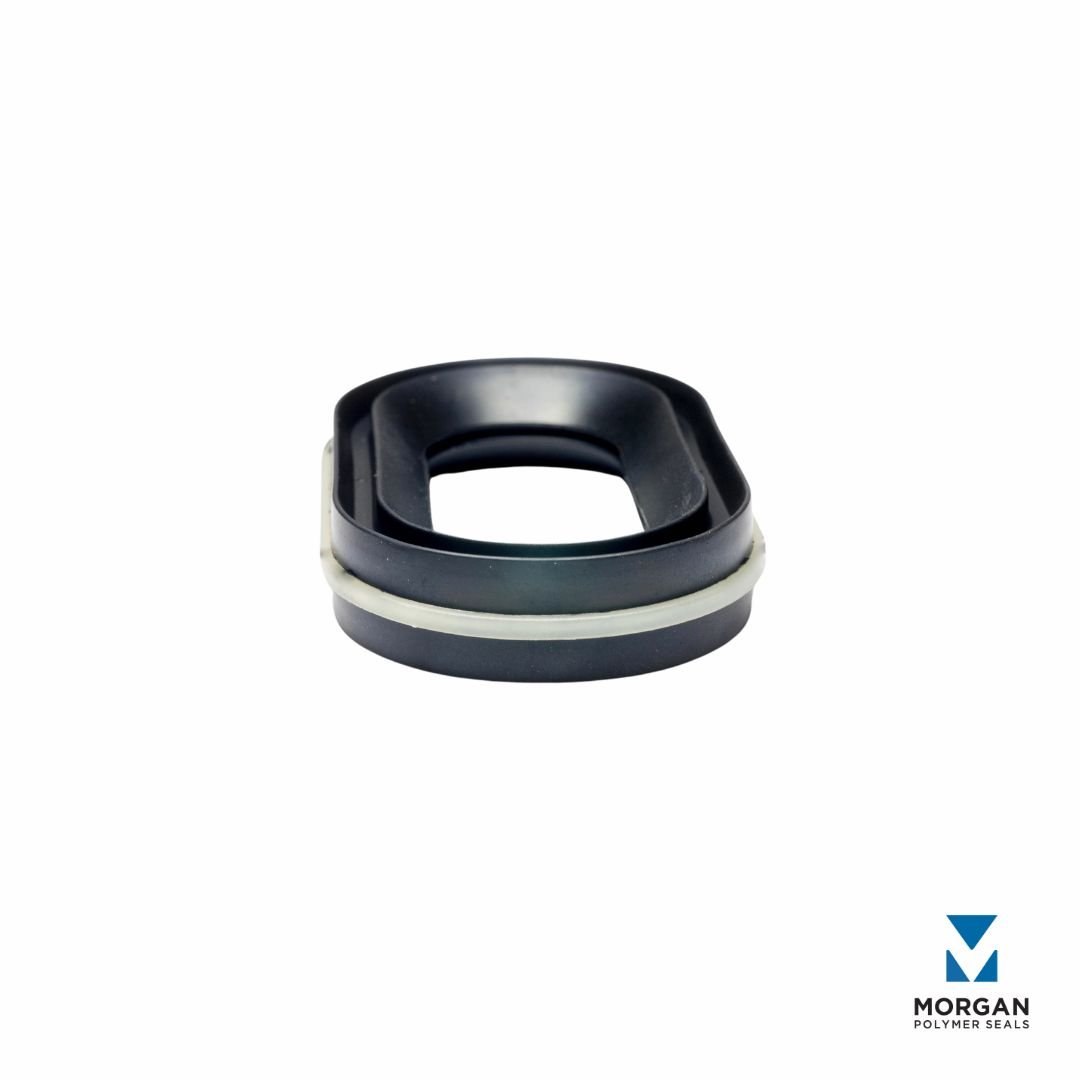
See the Overmolding Process in Action
Producing these components consistently requires precise tooling, careful material selection, and tight control over the position of every insert. Automation, vision inspection, and robotics can also play an important role in improving repeatability and manufacturing efficiency.
Watch our video to see how Morgan Polymer Seals uses rubber and plastic overmolding to manufacture complex carrier gaskets and multi-material sealing components.